
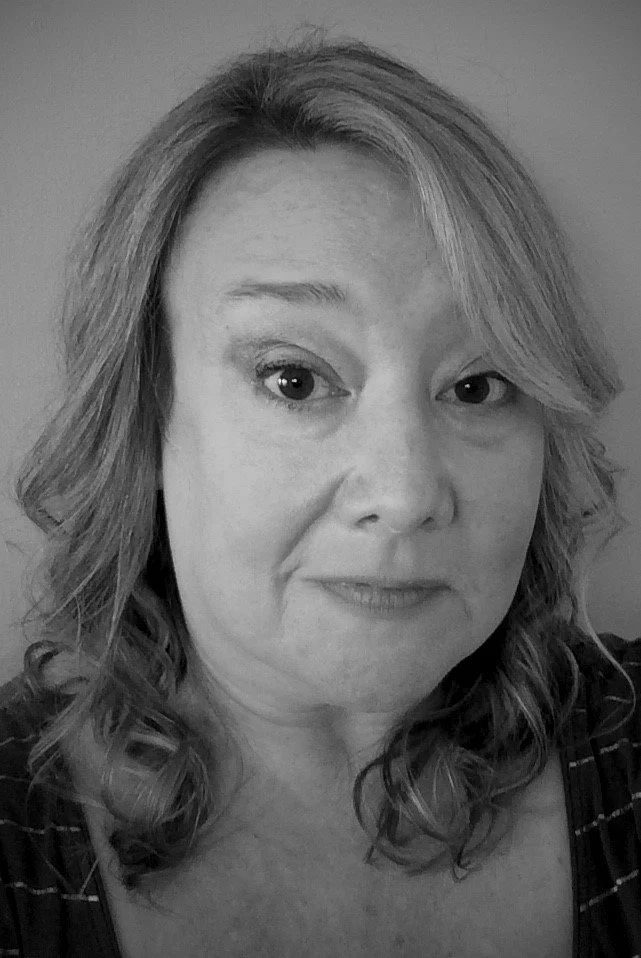
Self-Publisher Interview with S.E. Howard
1. What can you tell me about your experience as a writer?
I’ve been writing pretty much since I was a child. I’ve always enjoyed expressing myself through words. Although when I was a teenager, I won scholarships and awards for my work, it wasn’t something I thought about doing as more than a hobby until adulthood. After I married, and was pregnant with my first child, I found myself drawn to it again, and began to actively pursue publication. That was over 20 years ago, and I haven’t looked back since.
2. What made you decide to write a book?
I don’t know that I’ve ever made the conscious decision to write a book, to be honest. It seems like I’ve always had story ideas in my mind, and sometimes they appeal enough for me to put them into words. Sometimes they wind up as short stories. Other times, the ideas are too big, or bold, or complex and need more in terms of word length to fully flesh out. Writing has always been an indelible part of me, for as long as I can remember. I’d still be writing stories, even if there was no one to read them.
3. What circumstances brought you to the decision to self-publish your book?
I have been writing in the horror genre for the past decade. I really feel like my writing style and narrative voice have evolved significantly along the way. In 2025, I turned my attention to honing these things even more, by focusing on short story submissions for anthologies. I have been fortunate enough to be part of a lot of fantastic collections, and wanted to put together one of my own. Hauntings showcases my stylistic journey as a writer, and includes not just recent stories, but several from my earliest forays into the genre. I think it really captures just how much I’ve learned and developed over the past 10+ years.
4. What has your experience as a self-publisher been like?
Self-publishing has been a learning experience to say the least. Before making horror fiction the primary genre in which I write, I’d established myself under another name as a paranormal romance author, and had some previous self-publishing experience in that respect. However, I haven’t written under that pseudonym in several years, long enough for things to change a lot in the self-publishing market. Tactics that work well in building readership in romance don’t necessarily translate well into the horror genre, either, I discovered. I’m definitely learning as I go along. Fortunately, I’ve learned a great deal from other indie horror writers in the online community, and it’s helping me to slowly but surely gain a foothold.
5. How do you respond to the negative stigma attached to self-publishing and self-published books?
That stigma’s been around forever, but I’ve seen great headway made in reducing it. Twenty years ago, it was seen more as an amateurish endeavor, limited to vanity presses and poorly written manuscripts. Now, it’s viewed through a kinder lens. Self-publishing and independent publishers are perceived as more cutting-edge and avant garde, the same way independent recording labels or movie production companies are. Authors who pursue these avenues can find success and build a significant following, where once upon a time, that would have been impossible. There’s still a long way to go in terms of completely erasing the old stigma, but as “traditional” or “big five” publishing becomes more and more out of reach, I think we’ll see even more authors – and readers – turning in this direction.
6. What is one very important lesson you have learned as a self-publisher so far?
You have to make time to market. It can feel like you’re screaming into the void, and yeah, you basically are, but while you can’t possibly cover all the potential marketing avenues that exist anymore thanks to social media, do what you can, when you can, to promote not just yourself and your books, but those of fellow author as well. We have to be each other’s allies and advocates, and not see each other as competition. By bolstering each other, we all win.
7. What do you know now about self-publishing that you wish you knew at the beginning?
Spend the money to hire professionals, whether it’s editing services, proofreading, cover artwork, layouts, etc. There are so many talented artists and digital designers out there who can help make your work the very best that it can be. In addition to improving your own project, collaborating with others gives you the opportunity to network and cross-promote, further supporting and building not just your brand, but those of the people you’re working with, too. It’s a win-win for everyone!
8. A lot of authors of self-published books have reservations about promoting and marketing their book. Some even feel that it is a form of vanity or self-importance. What is your opinion about this?
Self-promotion can be daunting and off-putting, but it’s a necessary evil. If you don’t get the word out about your story, who will? I don’t think authors need to be all marketing, all the time, with nothing else to say or do on their social media platforms, but it is important to set aside time on a regular basis to market your own work, explore different marketing avenues, and develop a strategy that works well for you.
9. How do you promote your books and what form of book promotion has worked the best for you?
I promote primarily on Facebook. I’ve started branching out into Instagram more but that’s really it in terms of social media. That’s probably doing myself a disservice, but I really don’t want to be on a slew of social platforms. I’d rather focus on cultivating the relationships I’ve built with friends and communities on the platforms I’m most comfortable with. I also advertise on Facebook and BookBub. That’s a pretty new thing for me, so the jury’s still out on whether or not it will be beneficial in the long run, but we’ll see.
10. What are some other important things you have learned as a self-publisher?
I try to remember to give myself grace, to realize and accept my own limitations, to celebrate my successes however big or small, and learn from my mistakes. I also try to learn from other authors, not compare myself to them, and incorporate successful marketing ideas from them into my own campaign. I try to remind myself on a regular basis that this is a marathon, not a sprint, and the reason I love writing so much is because it fulfills me. Making connections with even one reader through my work, knowing someone “gets” my story and enjoys it, is the greatest reward.
11. Do you feel that self-publishing is a viable choice for other authors?
I think every author has to make the decision regarding self-publishing for themselves. We all have different interests, abilities, and comfort levels. Finding success in self-publishing is difficult, and it’s something you build over time. It doesn’t happen overnight, which means it can be pretty discouraging. You also have to be willing to wear a whole lot of hats, and be willing to juggle them, to succeed. I haven’t found the winning formula yet when it comes to being successful as a self-published author, but I know plenty of other writers who have. They’ve had to work their asses off, and they treat it as their job, their business, but over time, and with a lot of time, energy, and trial/error, it’s paid off for them. Will I ever make it to that same level? I don’t know, but I’m willing to try.
12. How do you feel that self-publishing their books has helped many unknown authors finally get the recognition their books deserve?
I think that self-publishing gives authors the opportunity to get their stories out into the world, when traditional avenues may have otherwise kept them out. The process of breaking into the “big five” publishers feels like more luck than anything. And while I’m inspired by those who are ultimately fortunate enough to have that chance, I’m equally inspired by those who haven’t let closed doors slow them down, who have forged ahead and established their own benchmarks for and pathways to success. That’s the best part of dreams, I guess: There’s more than one way to achieve them. You just have to be willing to try.
ABOUT S.E.:
S.E. Howard lives in Kentucky where she works as a registered nurse, certified in toxicology (a fitting field given her side-hustle writing horror stories). Her short stories have appeared in numerous anthologies, including PUSH! An Anthology of Childbirth Horror presented by Ruth Anna Evans, Carnival of Horror from Undertaker Books, and the Amber, Sinister, and Green Diamond Editions of The Horror Collection by KJK Publishing. Her short story “You’ve Been Saved” was also adapted for the screen in the 2022 GenreBlast film anthology Worst Laid Plans. Her novels The Vessel and What Lies Unseen (coming March 10, 2026) are available from the Wicked House imprint of Aethon Books. For more information, visit online. You can also sign up for my quarterly newsletter at my site, and as a thank you for subscribing, download a free horror short story, “Offline,” about an AI-powered smart home that may be too smart for anyone’s good.