
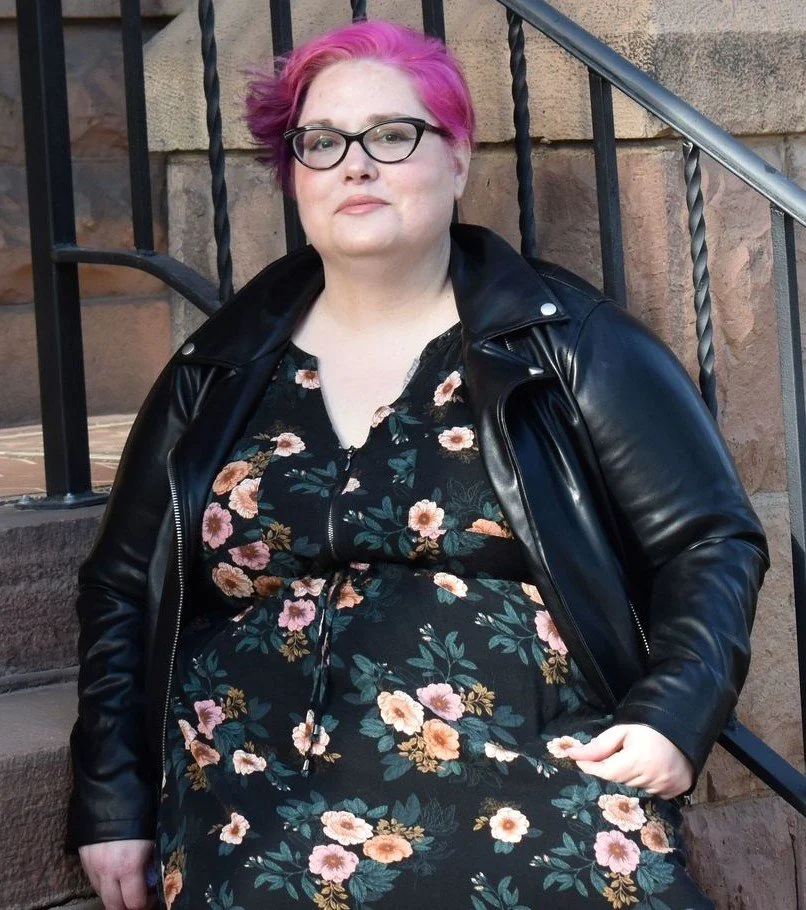
Self-Publisher Interview with Michelle John
1. What can you tell me about your experience as a writer?
I started writing when I was in kindergarten and never stopped. At first, I wrote and published poetry, then I switched to short stories and finally novels. I spent several years ghostwriting, and one of my ghostwritten books hit #1 on Amazon’s best-seller list. That proved to me I had the chops to make a go of it on my own. I now have twelve books out under my own name.
2. What made you decide to write a book?
I honestly don’t believe people decide to write books. I think the book shows up and holds you at gunpoint until you have no choice but to write it.
3. What circumstances brought you to the decision to self-publish your book?
When I was younger, I really badly wanted to publish traditionally, so I found an agent and waited. The agent was not able to sell the book, so I took it back and started trying to sell it myself. Once I was submitting it on my own, several different publishers reached out to try to acquire it, but I was really young and didn’t know better so I went with the first publisher who asked me. I did not realize the difference between a publisher with distribution and marketing capabilities and one without, so I placed my future in the hands of people who meant well but weren’t really equipped to meet my goals. I was really discouraged for a long time and didn’t try to publish anything else. With the rise of self-publishing and the respectability thereof, I decided to give it a shot on my own. I like having control over every aspect of my publishing journey, and knowing that I have the power to make or break my own career.
4. What has your experience as a self-publisher been like?
For the most part, I have enjoyed it. I do not have the reach or resources of big publishers, but I know for a fact I am sending a quality product to market and that I can be proud of what I do. There is nobody standing in my way but me.
5. How do you respond to the negative stigma attached to self-publishing and self-published books?
I find that over the years, the stigma of self-publishing has largely faded. Even agents and publishers these days have respect for a self-publishing career well-run, and there are thousands of instances of books being picked up by traditional publishers after they have been self-published. T Kingfisher even won a Hugo for a self-published book. As long as I know I am sending out the best possible product I can, naysayers can kick rocks.
6. What is one very important lesson you have learned as a self-publisher so far?
I have learned that you can’t please everyone all the time. No book in the world is going to be for every person, and that’s okay.
It may take some time, but you will find your people.
7. What do you know now about self-publishing that you wish you knew at the beginning?
I thought at first that writing would be my primary business, with publishing and marketing secondary, but it’s the other way around. I spend the vast majority of my time doing tasks that do not involve writing.
8. A lot of authors of self-published books have reservations about promoting and marketing their book. Some even feel that it is a form of vanity or self-importance. What is your opinion about this?
I can see where those people are coming from, but the truth is that those same people who don’t want to market their books will not sell books and then they’ll be heartbroken that they didn’t sell any books. Those people are not bad writers, but if nobody knows your book exists, nobody can buy it. Besides, if you don’t believe in yourself and your book, if you don’t advocate for your book, who will? Everything good that happens to you will come from using old-fashioned elbow grease, and that means marketing.
9. How do you promote your books and what form of book promotion has worked the best for you?
I promote on social media a lot, I buy ad space when I can, I give away a serial novel on my blog. They all work to an extent, but I’ve noticed that people buy books when they feel connected to you. Nobody wants to see another ad, but everybody wants a writer friend. Engage, engage, engage!
10. What are some other important things you have learned as a self-publisher?
I have learned that my biggest supporters are always going to be other indie authors, and that the best thing I can do is support other indie authors when I get the chance. There are infinite readers and infinite books, so there are plenty of sales to go around. Other indie authors are a valuable resource, not the competition.
11. Do you feel that self-publishing is a viable choice for other authors?
I think if you want creative control of your books and are willing to expand your comfort zone a little more every day, it can be. You get to keep all of your royalties, but there may be fewer royalties to keep since you may not have the reach that a traditional publisher might have. There are pros and cons to any way you choose to publish. Every author needs to think carefully about their career and decide what is most important to them.
12. How do you feel that self-publishing their books has helped many unknown authors finally get the recognition their books deserve?
I think it’s a universal experience for writers to pick up a traditionally published book and think, my book is better than this, why are these authors published when I’m not? There are gatekeepers between the author and traditional publishing. They measure for a certain quality, yes, but they also measure for marketability—what they think will sell the most copies so they make the most money. It may be their business to pick out commercially viable products, but that doesn’t mean they are right all the time, either about quality or about marketability. You may be sitting on a viable book that agents and editors still pass on. Indie publishing allows your book into the world without having to make it through those gates.
ABOUT MICHELLE:
The first novel Michelle John ever read was ‘The Wizard of Oz’ when she was six years old, and she has been fascinated by the intersection of fantasy and girl power ever since. As soon as she figured out the proper way to hold a pen she started writing stories about princesses who rescue dragons from evil princes. She hasn’t yet found a reason to stop. Her style may have changed a bit since kindergarten, but in the twenty-five years of her career, she has never found a more interesting story to tell than that of a heroic young woman who saves the day.