
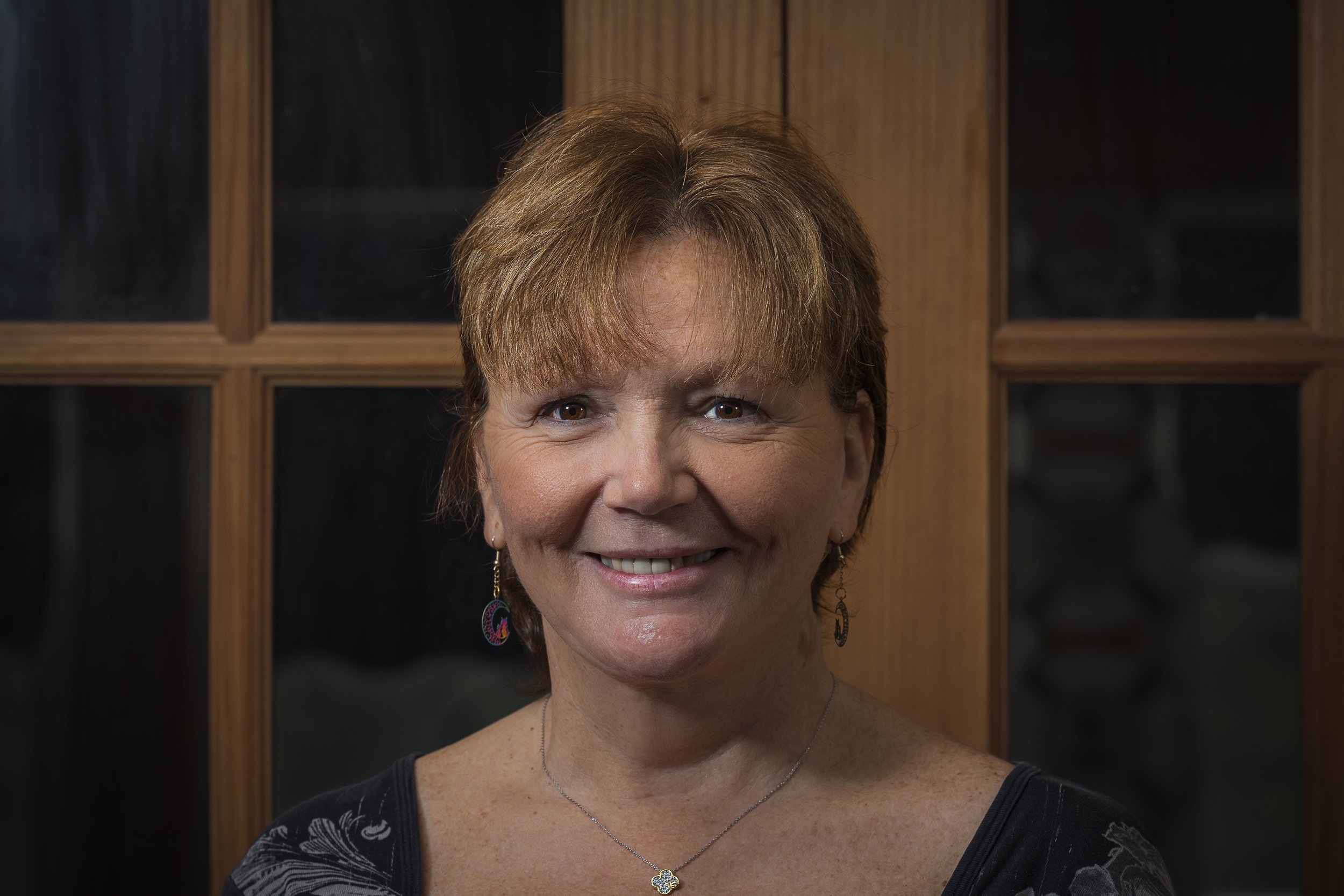
Interview with Writer
MaryanneChappell
1. Have you always been a writer?
I was dropped from the womb with a pen and paper in my hands. I still have some of the horrible poetry I wrote as a child. Every birthday or Christmas card was an excuse to write my mother a poem about how much I loved and appreciated her.
While working for the FAA, I wrote a great deal of technical material as part of my job. Now, I write big feelings, with characters I love to hate, and some I hate to say goodbye to. I never want to stop learning about the craft; there are still so many stories to write.
2. When did you realize that maybe writing was actually a "thing" you could do, get published and even sell?
Honestly, this past year. I had written several short stories, but nothing longer. When I finished writing my first novel, I realized it was a pretty decent story. I wrote it in a way that readers would enjoy, meaning giving them the feels I had when I wrote it. Everything is about feeling. If I feel it, the reader will too.
3. What was your first sale as a writer and how did it feel to sell your work?
I was over-the-moon happy when I placed 3rd in the Marrow Magazine 2025 Contest. Then, later this year, I was nominated by them for the Best in the Net 2025 Anthology. The money wasn’t what meant most to me, it was the confirmation that I could actually do this thing.
4. How has writing helped you in other areas of life?
I was able to do a lot of good work for the FAA. I took on assignments that forced me to intimately understand the science, process, and philosophy of cybersecurity as applied to National Airspace Systems. Writing without emotion, without flowery words, without pronouns, became very easy for me.
When I retired, I learned to write in color, which is how I always think of myself writing fiction. It’s been a catharsis, the switchover. Like when Dorothy opens the door into Munchkinland. When we see her standing in the doorway, the sepia tones that frame her—those limited colors—were the only colors I had to write with before. I became very good at it, but it was limiting. Then, when she steps through the door, it turns her life into a kaleidoscope of color. In my head, I’m like Dorothy walking into Oz.
5. What was your biggest accomplishment as a writer?
I wrote a lot of InfoSec material for the FAA I’m still very proud of. Since embarking on my post-retirement journey as a fiction writer, my greatest accomplishment has been completing my first novel, Madame Delphine’s Apprentice. I loved the characters and the carnage I subjected them to. I set myself several challenges with this novel. I wanted to write something big, as close to 100k words as I could get. After many edits, I feel I met that challenge. I also wanted it to be a psychologically dark horror story. It also had to have a storyline that would hook readers, and characters that felt genuine. And last, I wanted the words to evoke feelings readers would remember after finishing.
6. Who has inspired you the most in the writing field?
The one and only, Stephen King. It feels so cliché to name him, he certainly isn’t the be-all, end-all in horror, but he was my first. The first story I ever read by him was Survivor Type, in a paperback collection of short stories.
But there is a band of horror brothers here in North Jersey that started the writing ball rolling for me. I met them at an author signing event at a brewery. A random stop my husband and I made changed the trajectory of my post-work life. Now, I mostly read only indie and small-press books. I do have a few bigger-name books in my TBR pile, but I like to read what the horror community at large writes. There is a lot of great work out there.
7. What are some of the challenges you have faced as a writer and how did you overcome them?
In my work career, the biggest challenge was always time. With my writing now, it’s been a challenge to learn the query principles and become familiar with them. It’s a daunting process, and I think no two people do it the same, so opinions vary greatly.
8. What is the best writing advice you have ever received and why do you feel it is important?
My mother always believed in my writing skills as a child. It all began with a poem entitled, “The Comb.” A poem only a mother could love.
I couldn’t understand how writers could fit an entire story into a 5k-word box. When asked, one of the North Jersey horror authors told me this, and I took it as a challenge. He said, “Short stories are sometimes the hardest thing to write. Some people shine at the SS process, while others never seem to figure it out. What kind of story do you have in you?” That brief conversation was the trigger for my writing career, and that’s why it was so important to me. Sometimes, the littlest moments lead to the biggest successes in life.
9. What sort of writing do you do now?
I love to write weird horror. I also like to think I can write literary horror somewhat decently. I’ve written a few stories that I stuck my toe in the literary water with. But my biggest success was a short story that was picked up 3 hours after submitting it.
10. Where can we find some of your work online?
11. What advice do you have for aspiring writers thinking of taking the leap of getting their work published?
Duotrope is your friend, use it every day until you’ve mastered the art of submission. Read a lot. Do research on the actual art of writing, there is a lot of science to it. Create a repeatable process when you get published. I have a spreadsheet that contains all the information about every place I’ve submitted work to. It might be overkill for some, but it’s nice to be able to see what worked vs what didn’t in a submission. And don’t fret over the rejections that will come. They’re a part of the process that you can’t improve your craft without.
For me personally, the sign of a seasoned writer is more about versatility than anything. Explore genres, POVs, anything that feels uncomfortable. Do it. It might be something you never knew how good you were at.
12. What are your final thoughts about being a writer?
I am not certain if this is common among pantsers, but every single story, long or short, I’ve ever written started as an image. They gather moss and grow stories around them. I’ve never written an outline. A skeleton head, a witch with three tails, an image in a mirror, a spidercrab, and a magical cat and his guitar are a few examples. For my two novels, though, by the time I was two-thirds done, I had a good idea how they would end.
One of my favorite characters, Señor Huesos, which means bones in Spanish, came from the picture of a skeleton head on the men’s room door of a local brewery. That picture, which I morphed into his likeness, grew a very cool story around it.
ABOUT MARYANNE:
“In my youth, I attended Bridgewater State University in Bridgewater, Massachusetts, where I studied English. While at Fort Polk, LA, I taught English as a second language to military spouses. Among the many volunteer jobs I did for the Army Community Service, one of my favorites was working in the IRS Volunteer Income Tax Assistance Program.
My 30-year career with the Federal Aviation Administration began in 1992. I moved back to the East Coast at the turn of the century to be closer to my family and to work at the Technical Center in Atlantic City, NJ. I finished off the last 20 years working in Information Security.
Since I retired in 2022, I’ve written 10 short stories that have been or will be published across a wide variety of genres. I've written two horror novels and two fantasy novellas. Now, I’m writing my third novel, an action-horror story.”