
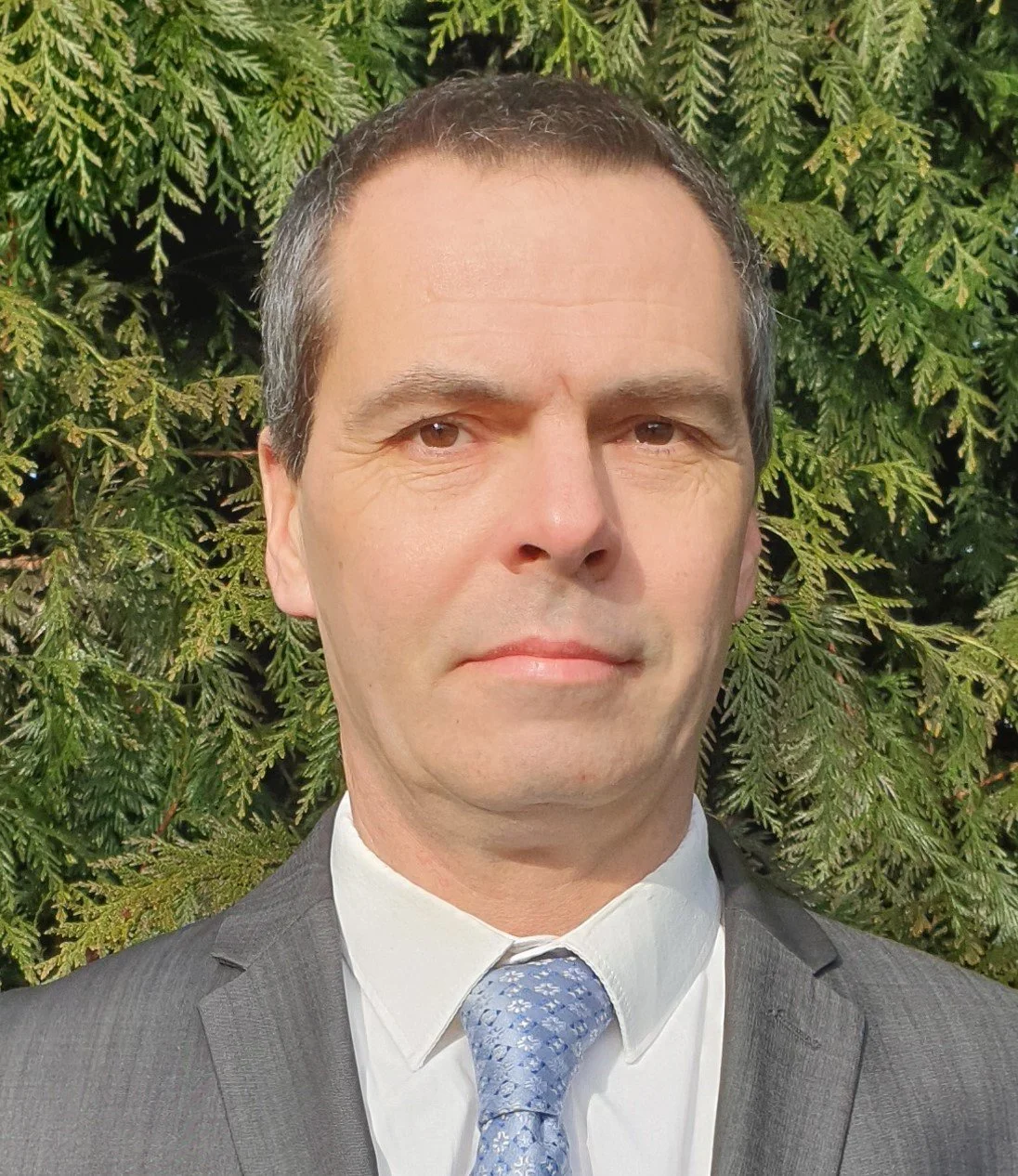
Interview with Writer
Brian Terence
1. Have you always been a writer?
No, but I love creating and telling stories, especially when my kids were small. I’d ask them to pick a few toys at random, and I’d create an impromptu bedtime/bathtime story with those toys. I used to write short stories by hand; yes, this is before computers were so common. My handwriting is so bad I should have been a doctor, so I’ve no chance of reading them now.
2. When did you realize that maybe writing was actually a "thing" you could do, get published and even sell?
A couple of years ago, a friend of my wife’s asked me to read and review her new book; she knew I was a big fan of sci-fi. I’d never met a “real” author before, and we talked about some of the ideas I had for stories; she suggested I try a few competitions to get started. She also encouraged me to join a couple of writer’s groups, and it’s gone from there. I would always encourage an author to join one or two groups; it's important to have that support and interaction.
3. What was your first sale as a writer and how did it feel to sell your work?
This is actually a hard question; I’m not sure what my first sale was, not without going back through my KDP reports, as I’d released a number of short stories simultaneously. But I remember when one of my stories was accepted for a magazine; that was very encouraging. It assured me that my work was of a high enough calibre that someone else would want to publish it.
4. How has writing helped you in other areas of life?
Tough one, I do find the writing itself is an enjoyable hobby; the connections with other authors and the general book community are nice. Book people are generally good people, and it’s great to be part of that community.
5. What was your biggest accomplishment as a writer?
Okay, another tough question; finishing my first novel would probably be high on that list. My latest release was the best-selling foreign-language sci-fi collection in Japan for about 2 hours a few weeks ago; that was an amusing achievement, although a very transitory one.
6. Who has inspired you the most in the writing field?
My favourite authors are Asimov and Harry Harrison, amongst others; both were prolific short story writers, as well as writing full novels. I guess it's from them that I’ve felt confident in focusing on short stories. Most people read novels, unless you read genre-specific magazines, so few writers feel comfortable with the short story format, but I’ve always enjoyed it. It can be more challenging, but I find it works for me.
7. What are some of the challenges you have faced as a writer and how did you overcome them?
There are two areas that have limited the amount I can write, and both are practical rather than creative. Firstly, just finding the time, balancing work and everyday life with writing time. The second is the cost of editing; I try not to publish anything without running it past my editors first. Those are my biggest challenges and continue to be a limitation on the amount I can write, but then I’m sure the same is true of many other authors.
8. What is the best writing advice you have ever received and why do you feel it is important?
My mentor always encouraged me to have an editor review my work and not just to publish stuff without an editor's input; I think that advice has been invaluable. It's tough to find the money, but I think of it as an investment in your author brand and reputation.
9. What sort of writing do you do now?
Initially I started off as heavily focused on science fiction, because it's where I feel most at home, as both a writer and a reader, with some humour. But my most recent release is a change of direction, that is, into darker sub-genres: paranormal, dark fantasy, and dare I suggest some spicy stuff. So far the feedback has been very positive; I’m not going to abandon the sci-fi, but paranormal and dark fantasy are related sub-genres, and there is lots of overlap.
The other more obscure niche I write in is Biblical satire, but that’s me working through some past issues!
10. Where can we find some of your work online?
That’s probably the easiest question you’ve asked so far. Amazon is the most obvious, assuming you want ebooks, Kindle Unlimited, etc. (Brian’s Amazon page is here.)
My paperbacks are available from a wide range of online outlets, B&N, Waterstones, Scifier.com and others.
If you prefer to avoid Amazon, I have a collection on Books2Read here.
11. What advice do you have for aspiring writers thinking of taking the leap of getting their work published?
Be realistic about your expectations. Many authors get a harsh reality check early on, when they don’t become an overnight bestseller and then give up. The number of authors who give up is surprisingly high. So, write because you want to; write the stories that you would want to read. I often joke that I’m in it for the money and groupies, and so far, a 100% failure…
12. What are your final thoughts about being a writer?
I guess this would be around the use of Gen-AI: if you are going to use Gen-AI and then pretend to be a writer because you think it’ll bring you some kudos, don’t; take up knitting or do something else. Gen-AI has no place in the creative process, be that books, including audiobooks, music, and art.
ABOUT BRIAN:
“Science Fiction Author. 🪐🚀👻🐉📚
I write a wide range of stories, including science fiction, paranormal and dark fantasy.
Some are humorous, and others are more poignant and thought-provoking.
When asked where I get my ideas from, I can only explain that my mind is like a septic tank; weird bits of, well, you know what, float to the surface from time to time and become the kernel of my stories.
As a middle-class, middle-aged, white bloke – If you need anything ‘mansplaining,’ I’m here to help!
I’m a husband and a father, living in East Anglia, UK, and share my home with various animals, including dogs, cats, chickens, a duck and a goose.
Member of Writers Anonymous.
Member of The British Science Fiction Association.
No AI was used in the preparation of any of my manuscripts.”