
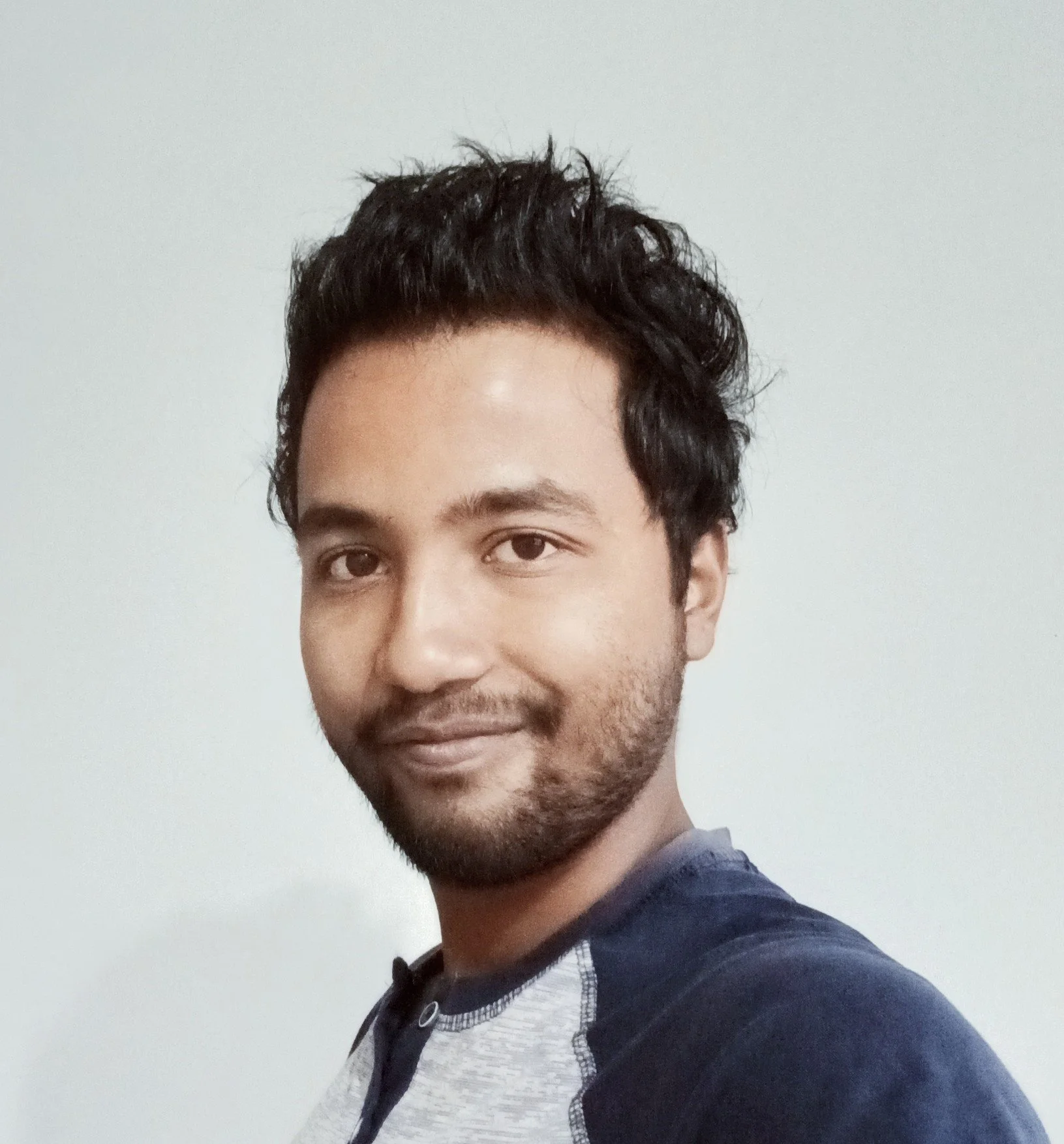
Interview with Writer
Arindam Kalita
1. How did you get started writing fiction?
I have loved reading fiction since I was a kid, despite having limited access to books. I thought a writer’s life was amazing: getting to write wonderful stories, earning a living from it, and being celebrated in society. But I was also told how hard it is to become one. Considering there aren’t many writers from where I am, and I have never met a single author in real life, I thought writing fiction was a luxury affordable only for a certain group of individuals. So, I didn’t try writing until six years ago, when I was 21.
That was right before the COVID outbreak. I was a university student, and severely depressed because of personal reasons. I felt lost in my career. I was doing something I disliked because of my circumstances, but I wanted to do something else.
Then I told myself, “You only live once. From now on, I will do what I have always wanted but never had the chance to: create stories.”
That was the beginning of my writing journey. It not only rescued me from that horrible pit of depression and gave me new hope but also allowed me to express myself and showcase my talent to the world. I still remember skipping uni classes just to finish my newest story. Completing a story gave me joy unlike anything else I had ever experienced. Since then, I haven’t looked back. Writing fiction has made me the happiest and most fulfilled I’ve ever been. It was my true calling, and I’m glad I didn’t ignore it.
Despite English being my third language and never having any formal training in writing fiction, I let nothing stop me.
I do regret not writing anything until 2020, as I wasted all those years for nothing. I’m sure I’d have achieved much more success than I have so far. But I’m also content to have finally realized what I’m supposed to do in life. Looking back, I like to think it came to me when it was meant to.
2. What kind of fiction do you enjoy writing? (Such as fantasy, romance, horror, or unspecified)
Primarily, I love writing horror. I believe there’s massive untapped potential in anything horror-related. But I also enjoy working on other genres such as sci-fi, romance, fantasy, literary fiction, and historical fiction. I like to blend different genres and experiment with them.
3. What was it about writing short stories that just seemed to "click" with your writing career?
When I first started writing, I wasn’t into short stories at all. Instead, I decided to write novels like everyone else, thinking it was the best route for ultimate success. However, I was also learning the craft of writing from reading books and blogs, watching YouTube videos, and studying author interviews. I soon understood that short stories were training grounds for every novice setting out on their literary journey, and it’s good practice to try them first before attempting longer projects.
But having barely read any short stories, I was intimidated to work on one. I thought I wasn’t skilled enough for it. Plus, I can never force myself to write anything that doesn’t interest me. My ideas have to come from within.
But one night after going to bed, a story idea suddenly came to mind. It was such a strong epiphany that I had to get out of bed and write the outline in my notebook. It was about one o'clock in the morning, and the entire outline lay before my eyes. First, I thought it was another novel idea, but I quickly perceived it fit perfectly for a short story. After I finally typed the piece on my computer, I thought, ‘Huh, this isn’t so bad.'
That piece filled me with a profound sense of accomplishment and bliss. My newfound confidence allowed me to create many more short stories afterward. I had no idea then how that first short story would put my career on track. It not only introduced me to lots of beta readers but also exposed me to the online writing community. My beta readers taught me some of the most valuable writing lessons. No matter how much self-learning I was doing, it felt like nothing compared to those practical lessons by experienced people. Most of all, it was very satisfying to watch their constructive criticism gradually turn into praise. They helped me immensely to become a better writer.
Since then, I haven't stopped writing short stories, and hopefully, I never will. Short stories keep the creative juices flowing and break writing slumps whenever they occur.
4. Is there a type of short story that you enjoy writing most? Please explain.
I’d say sci-fi/horror, although lately, I’ve picked up an interest in historical fantasy too. Sci-fi is still my favorite genre.
I usually like writing time-travel stories (almost all my novels in progress have some form of time travel element). Despite there being some excellent time-travel books out there, I feel this subject has vast unexplored territory that I'd love to delve into. I’m developing unique ideas to craft riveting and unforgettable stories. My goal is to give the audience the best possible reading experience.
5. What was it like when you sold your first short story?
Oh, gosh! I can’t explain how magical that moment was. I couldn’t believe it when I opened the acceptance email from CreepyPod. It was so surreal and wonderful that I felt like I had finally done the impossible. More than anything, it was the ultimate proof to me that my writing was worthy and I have what it takes.
Signing a contract and getting paid from the USA was so incredible. My mom was the first person I told, and she was the most excited I’ve ever witnessed. I’ll never forget that day.
6. Where do you find short story markets to submit to?
I’m glad you asked that question. I hope my answer will help all the writers reading this. Finding short story markets can be very overwhelming and confusing, especially for beginners. I had to learn everything by myself, from formatting to creating a Submittable profile to keeping track of my submissions, all while doubting whether I got the formatting right or clicked the proper final link. I used to Google all the currently open places and drown myself in an ocean of websites.
But, as I continued submitting more and more, I became familiar with the right places and even the right timing. And now, I’m up to date on all the open marketplaces. Here are the resources I believe every short story writer should be familiar with: “Publishing and Other Forms of Insanity” is a blog that lists the no-fee open magazine and contest calls every month (this is the place that got me my first publication).
Some important newsletters to subscribe to for any new additions throughout the month are “Submission Sunday” and “Scribophile."
If you want another resource, feel free to keep an eye on the site called “Almond Press.” They update weekly.
Those are the places you need to be aware of for short story magazines and contests.
I also run a Substack (titled Arindam Kalita), where I post decent-paying, no-fee calls every month while giving submission tips based on my experience. Feel free to check it out if you’re interested.
7. What is one lesson you have learned as a writer when it comes to writing short fiction?
Every sentence matters and should be carefully crafted, as it is crucial in plot development.
8. How is writing short fiction different from your work as a writer of longer fiction?
Writing short fiction is very different from writing longer fiction. As I said before, I must be extremely mindful of every sentence. The fact that it doesn’t take long to write one makes it fun and rewarding, but also daunting. However, the best part is that I can create prologues for future novels, all while developing a new group of dedicated audiences.
If you ever wanted to try a new genre but weren't sure whether you could pull it off, this is the best way to do so. I enjoy everything from the raw idea to the outline to the finished product. And I plan on turning most of my short stories into novels in the future.
9. What is some of the best advice you have received from other writers or editors when it comes to writing short fiction?
I’ve learned that short fiction is usually more plot-driven than character-driven. You should vary the sentence structure and length to keep it engaging. Instead of restricting yourself to a limited word count, focus on telling the story. Keep expositions to a minimum, especially in the beginning.
10. Do you have any advice of your own to share with other writers?
I just want to say, read a lot of books, and don’t ignore your beta readers. These two are your lifesavers. I’ve come this far in my career primarily through vigorous reading and my beta readers, many of whom have become my closest friends. They helped me grow from the start and acted as mentors I never had. They’re just too good at detecting plot inconsistencies that writers usually gloss over. I’ve met some of the smartest people in my life who have a keen eye for catching even the tiniest issues in my stories, which leaves me scratching my head and wondering how on earth I didn’t think of it myself. It’s even more helpful when they suggest solutions, too.
Facebook is one of the best tools for finding people from the global literary community. I would suggest joining multiple Facebook writing and beta-reading groups. You will find all sorts of groups there based on your needs.
Make sure your cover letter and bio are in good shape. Also, don’t forget to keep updating your resume if you’re applying for fellowships and residencies. Be mindful of the formatting guidelines for each marketplace before you submit.
Self-doubt occurs in all of us, but don’t let it consume you. Just keep in mind this field is extremely subjective, and a rejection does not mean the end of the road. Focus on your writing, and good things will come your way.
Finally, I just want to say rejections are lessons in disguise. Every single rejection brings you closer to your goals by teaching you what each publisher is looking for.
ABOUT ARINDAM:
Arindam Kalita’s work has appeared in CreepyPod, The Brussels Review, The Afterpast Review, and multiple anthologies. He won third prize in the Curious Curls Fiction Contest and was shortlisted for the Minds Shine Bright Writing Competition.
In addition to writing, Arindam offers developmental and line editing for short stories and novels. When not writing, Arindam is often found reading a book or watching a show on his tablet.
You can find more about Arindam Kalita and his work here.